
Valentino Nappa, Suede and Exotic Bags: Care, Material by Material
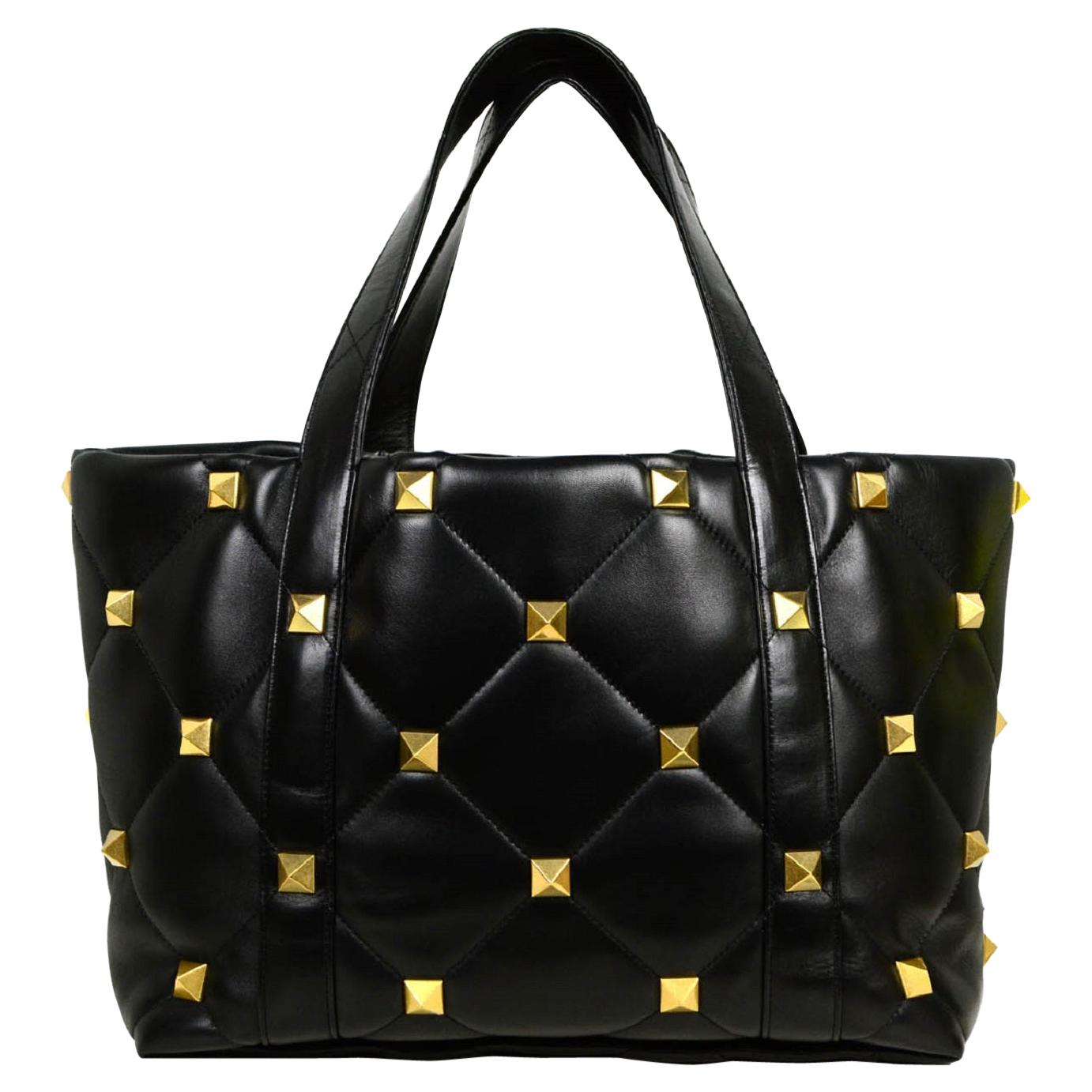
What follows is general, material-appropriate practice for fine leather goods, and never as official brand care instructions, and that framing is deliberate. As no part of this derives from an official brand manual, the sensible approach is to identify the material and treat it the way that material asks to be treated. The reason it matters is that valentino bags span an unusually wide spread of surfaces: nappa, grainy calfskin, laminated grainy calfskin, suede, kidskin, pony-effect calfskin, python, ostrich, raffia, linen, denim, jacquard lurex and metallic mesh have all been observed on current pieces. The care that keeps grainy calfskin fresh will flatten suede, and what revives suede will stain a laminated finish. If a bag is valuable or unfamiliar, a specialist is cheaper than a mistake. Whether you paid full price or bought during an official seasonal valentino bag sale, the upkeep is identical.
Identify the material before you touch anything
The first minute of care is diagnosis, not action. In daylight, the differences are easy to read: grainy calfskin is printed and slightly pebbled, nappa is smooth and soft with a faint sheen, while suede or kidskin shows a nap whose colour moves when brushed. With laminated and metallic surfaces you are looking at a coating on the leather, and the coating fails first. Exotic skins carry their own scale or quill pattern and behave quite unlike calfskin. Read the interior tag too: it confirms you have a Valentino Garavani piece rather than a bag from the separate Mario Valentino company, which is a different maker entirely. The table below is a quick reference; the sections beneath it set out the reasoning.
| Material type | Ordinary upkeep | Main risk |
|---|---|---|
| Nappa, grainy calfskin | A soft dry cloth, plus an occasional cream suited to the finish | Rubbing a mark instead of blotting it |
| Suede, kidskin, pony-effect | Brush dry along the nap; protector spray ahead of the first outing | Water, oils and crushing |
| Laminated, metallic, mesh | Light dusting and nothing more; no creams or solvents | Abrasion wearing the coating through |
| Python, ostrich | Specialist care only, and no direct sun | Dryness, lifting scales and fading |
| Raffia, linen, denim, jacquard | Spot work, a gentle brush and careful storage | Snagging, transfer of colour, damp |
| Studs and plated hardware | A dry wipe, full stop | Polishing through the plating altogether |
Nappa and grainy calfskin, the everyday surfaces
Nappa and grainy calfskin are the workhorses of the collection and the most forgiving surfaces you can own. What dulls leather first is dust and skin oil, not marks, so wipe with a soft dry cloth after each wear. A cream matched to the finish keeps nappa supple, used sparingly so it does not build a film, and test it on the base or another hidden panel first. Rubbing works pigment into the grain and wears the surface, so blot a spill rather than rubbing it. Permanent shrinkage and hardening are what heat does to leather, so dry a damp bag at room temperature and keep it away from radiators, hairdryers and sunlight. Small scuffs disappear more readily on grainy calfskin than on smooth nappa, worth remembering when you choose a valentino shoulder bag for daily use.
Suede, kidskin and pony-effect calfskin
Napped surfaces are the most striking and the most demanding, a trade-off you take on with pieces such as a small suede Rockstud Spike observed at 2,550 dollars or a small suede Rockstud shoulder bag at 1,950 dollars in the 2026 market. Treat them as dry-only materials: a soft brush worked along the nap lifts dust and restores loft, and that alone handles most maintenance. Applied before the first outing and reapplied now and then, a protector spray suited to suede buys time against splashes but does not waterproof the bag. Suede is marked by water, oils, hand cream and self-tanning products in ways home treatment seldom reverses, so keep the bag away from them. Pony-effect calfskin carries directional hair that flattens under pressure, so keep it from being crushed against a car seat or a crowded shelf. When a stain sets, stop trying things and take the bag to a leather specialist while the mark is still fresh.
Coated finishes: laminated, metallic and mesh
What fails on these surfaces is the coating rather than the leather. Since a thin decorative layer is what laminated grainy calfskin, metallic finishes and metal mesh depend on, and abrasion removes it irreversibly, the plan is avoidance. Dust with a dry cloth, keep anything with solvent or alcohol away from it, and skip conditioning creams completely, since they can cloud or lift the finish. Contact points are where it goes: especially the spot where a chain strap swings against the body, and wherever the base rests on something hard. Never drag metallic mesh; lift it, and keep it flat or loosely stuffed so creases do not form. No product you can buy does as much as gentle handling, as pieces like the metallic mesh small shoulder bag observed at 3,900 dollars show.
Exotic skins, python and ostrich included
Exotic skins are the one category where home care should be minimal by design. A python Panthea observed at 5,650 dollars or an ostrich version at 7,600 dollars in the 2026 market is real money and a material carrying its own conservation needs. Scales and quill follicles respond badly to household leather products, and the wrong conditioner can darken or stiffen a skin permanently. Store exotics away from direct sunlight and dry heat, since both fade colour and lift scales at the edges. Wipe lightly and dry, with the scales rather than against them, and stop there: leave anything beyond that to a specialist in exotic leathers. Pressure marks turn up and never leave, so keep more room around them in storage than you would around calfskin.
Seasonal and textile materials
It is the seasonal and textile materials that get underestimated. Raffia is woven, and zips, jewellery and Velcro catch it, so keep it bagged when idle and shelved with room, not wedged between other bags. On linen and jacquard lurex, the handles and base soil first, because hand contact concentrates there, and gentle dry brushing prevents it becoming permanent. Both directions of colour transfer are a real risk with denim, so light-coloured trims and clothing are worth watching on the first few outings. Moisture is the shared enemy, since these textiles absorb rather than repel, and they set into whatever shape they dry in. Given that a wet cloth suits none of these materials, the routine is to blot, air dry, and send anything more serious to a specialist.
Hardware, studs and plating
The hardware is where enthusiastic cleaning does the most harm. Among the observed finishes are antique brass, light gold, platinum-toned metal and jewel or crystal-set variants, and none of it is solid, all of it plated. Metal polish and abrasive cloths will take the plating off entirely, leaving bare base metal that cannot be put back, so limit yourself to a dry wipe. The bases of pyramid studs are what need attention, as dust gathers there and a loose stud shows itself there first; movement means a repairer, never a home adhesive. Adhesive holds the settings on crystal and pearl-set pieces, and water loosens it, so they should never be soaked. One of the more common reasons a valentino bag ends up in a workshop is a strained zip, so ease a zip pull closed rather than pulling hard.
Storage between wears
Five years from now, the idle months will be what shows. The marks you see in resale listings come from pens, cosmetics and loose coins, so clear it out each time you use it. Restore the shape with the supplied insert or acid-free tissue, avoiding newspaper and printed paper, which transfer ink onto linings. Put it back in its dust bag, keep it upright with nothing pressing against it, and tuck the straps and chains inside so they do not emboss the leather. Cool, dry, dark: that is the target, because sunlight fades dyes, damp encourages mould, and airtight plastic traps moisture against the surface. A valentino tote bag on an unstructured base does better stuffed a little more firmly than a rigid top-handle style.
Spills, rain, and knowing when to stop
The single most useful skill in bag care is knowing the point at which to do nothing further. A spill wants immediate blotting with a clean dry cloth, worked from the outside inward; then let the bag dry naturally and reassess in daylight next day. Leave a rain-spotted calfskin bag alone and it usually dries without trace; on suede, raffia or an exotic skin, rain often needs professional attention, and rubbing while wet guarantees a worse outcome. No matter what an online video claims, keep household cleaners, baby wipes, alcohol gels and magic erasers away from every part of a Valentino Garavani bag. Keep the dust bag, insert and any paperwork, since completeness supports both future repairs and resale value. Unglamorous, cheap and far more effective than any rescue attempt after the fact: that is what sensible routine care is.